Google Tensor: a phone chip that is not trying to win benchmarks
· 4 Min. Lesezeit
For years, buying an Android phone came with an unspoken rule: look at the chip. A Snapdragon 888 was better than an 865, which was better than whatever came before. Phones were compared like cars, by horsepower.
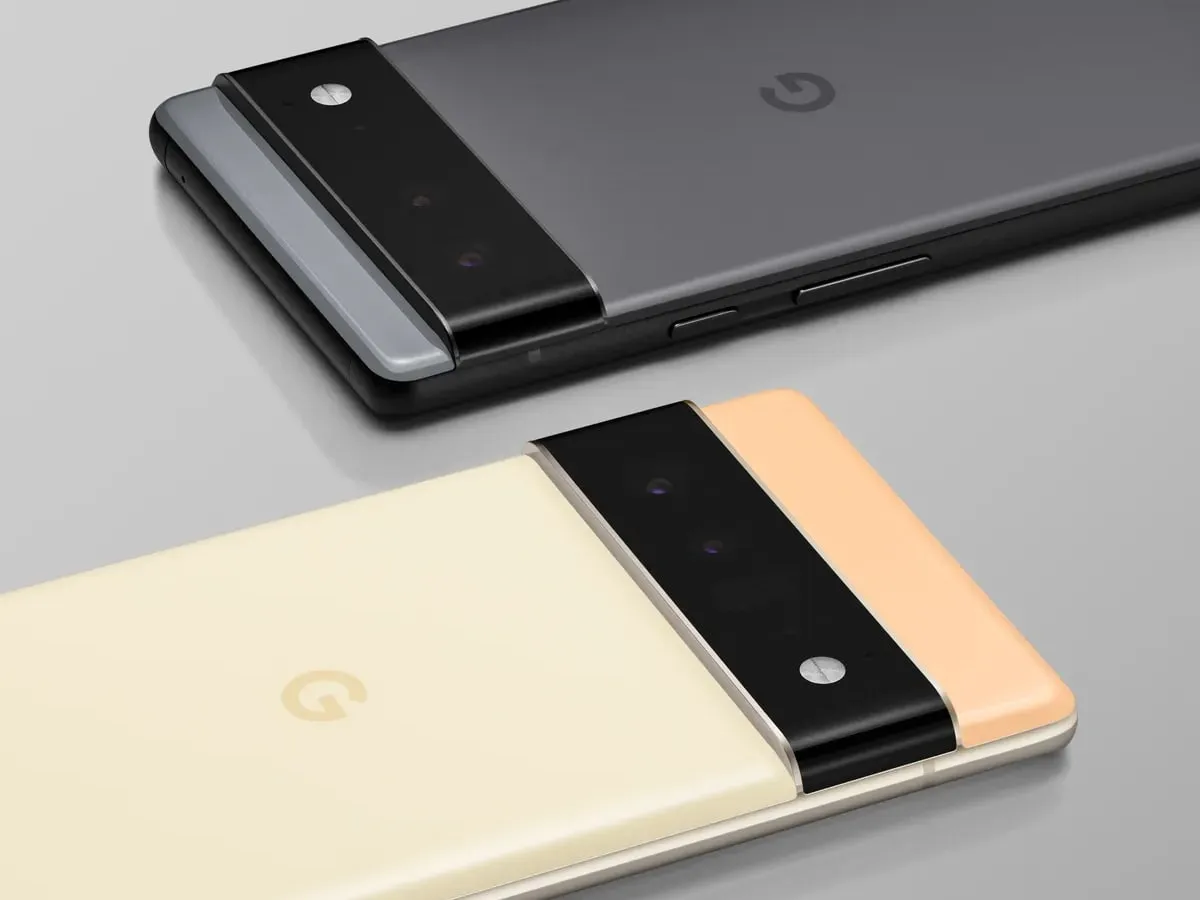
On 19 October 2021, Google launched the Pixel 6 and Pixel 6 Pro, and with them something that breaks that rule: Google Tensor, the first phone chip Google designed itself. The phones went on sale on 28 October, starting at $599 for the Pixel 6 and $899 for the Pro.
The interesting part is not how fast Tensor is. It is what Google decided to make it fast at.
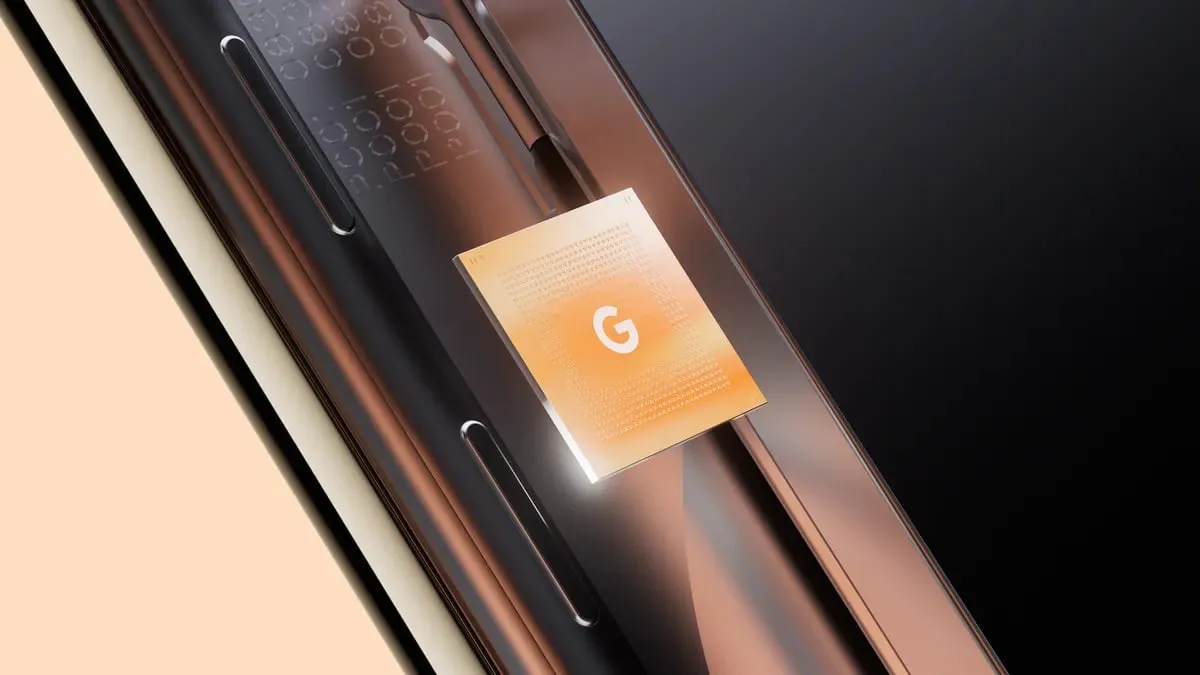
First, what does a phone chip do?
Every phone has a main chip, the system on a chip. Think of it as the brain and the engine room in one: the processor that runs apps, the graphics part that draws games, the modem that connects to the network, and the image processor that turns light into photos.
Until now, Google bought that chip from Qualcomm, like most Android makers. That is a bit like a top chef cooking in a rented kitchen. You can make great food, but you cannot move the oven or add the tools you really want.
What Google wanted instead
Google is, at its heart, an AI company. Its best features already lived in machine learning: the night photos from the Pixel camera, the Assistant, speech recognition. But on a normal chip, many of these tasks had to be squeezed in, run slowly, or sent to Google’s servers.
So Google designed Tensor around its own TPU, a part of the chip built specifically for AI. When Google first announced Tensor in August, it explained that it had run into computing limits that stopped it from building what it wanted. Tensor is Google building its own kitchen.
What that actually means for you
The best way to understand Tensor is through the features it made possible:
- Magic Eraser. Tap a stranger in the background of your holiday photo, and they disappear. The phone fills in the space as if they were never there.
- Live Translate. Messages in another language are translated directly in the chat app, on the phone itself, without sending them to a server first.
- Faster, smarter voice typing. You can dictate a message, fix a word or add an emoji by voice, and it keeps up with normal speaking speed.
- Face Unblur. If someone moves while you take a photo, the phone uses a second camera to keep their face sharp.
- Real Tone. The camera was tuned to show darker skin tones more accurately, something phone cameras have handled badly for a long time.
- Calls handled for you. The phone can listen to an automated hotline menu and show the options on screen, or wait on hold for you and ring when a person answers.
None of these are about speed. They are about the phone understanding photos, speech and language.
The obvious comparison: Apple
Apple has designed its own iPhone chips for more than ten years, and it shows. Because Apple controls the chip and the software, it can tune both together. Google is now copying that strategy, but with a different goal. Apple’s chips are famous for raw speed and efficiency. Google’s is built to run AI.
Where it falls short
Tensor is a first attempt, and it has some rough edges:
- Not the fastest. In pure speed tests, it is roughly in the same class as the best Snapdragon chips, not clearly ahead.
- Heat and battery. Early reviews mention the phones getting warm under heavy use and battery life that is fine but not great.
- Not completely in-house. Tensor was developed together with Samsung, which also manufactures it, and parts of it are similar to Samsung’s own Exynos chips.
From horsepower to understanding
Tensor changes the question we ask about phones. For a decade it was “how fast is it?”. Most phones are now fast enough for almost everything. The more useful question is becoming “how much does it understand?”.
A good example is the camera. Ten years ago, better photos meant a bigger lens and a better sensor. Today, the biggest improvements come from software that knows what a face, a sky or a stranger in the background is. Tensor is Google admitting that this kind of intelligence needs hardware designed for it.
I think other companies will follow. The next phone wars will not be fought only on benchmark charts, but on what your phone can do for you without you noticing. Tensor is not perfect, but it is pointing in that direction.
Quellen
- Google: Google Tensor debuts on the new Pixel 6 this fall (August 2021) ↗blog.google
- Wikipedia: Google Tensor ↗en.wikipedia.org