iPhone Duo: Apple finally folds
· 3 min read
On 9 September 2026, Apple showed something people had been predicting for almost a decade: a folding iPhone. It is called iPhone Duo. Pre-orders open on 16 October, it reaches shops on 23 October, and it starts at $1,999.
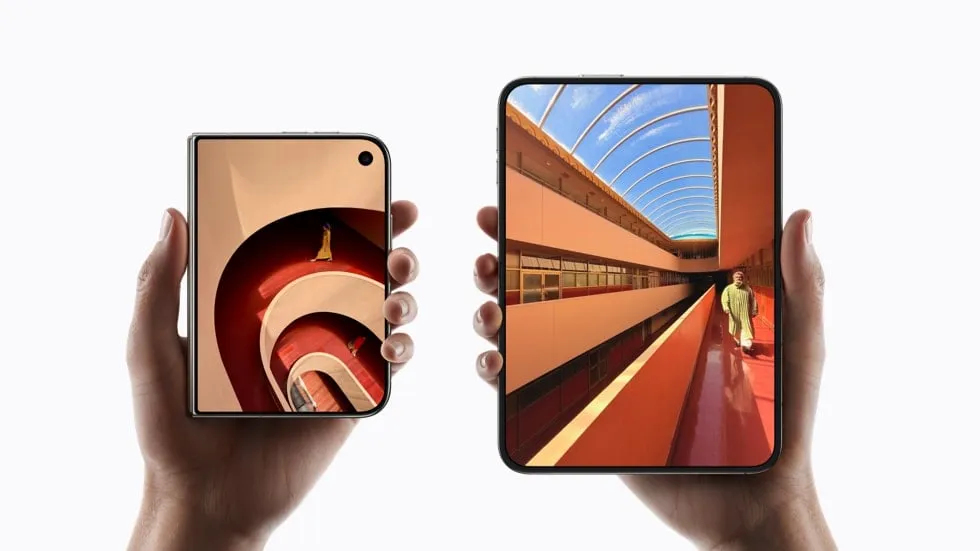
Closed, it is a small phone with a 5.4-inch screen. Open it like a book, and you get a 7.6-inch screen, almost the size of an iPad mini.
Apple is late, and that is the point
Folding phones are not new. Samsung launched its first Galaxy Fold in 2019 for about $1,980. Early review units had screens that broke within days, and the crease in the middle was easy to see and feel. Since then Samsung, Google, Huawei and others have released several generations, each thinner and tougher than the last.
Apple waited. That is a familiar pattern. Apple did not make the first MP3 player, the first smartphone or the first smartwatch either. It usually lets others discover the problems, and then tries to launch something that feels finished. With iPhone Duo, Apple is clearly betting that foldables are finally mature enough for people who just want things to work.
What is different
Based on what Apple has announced:
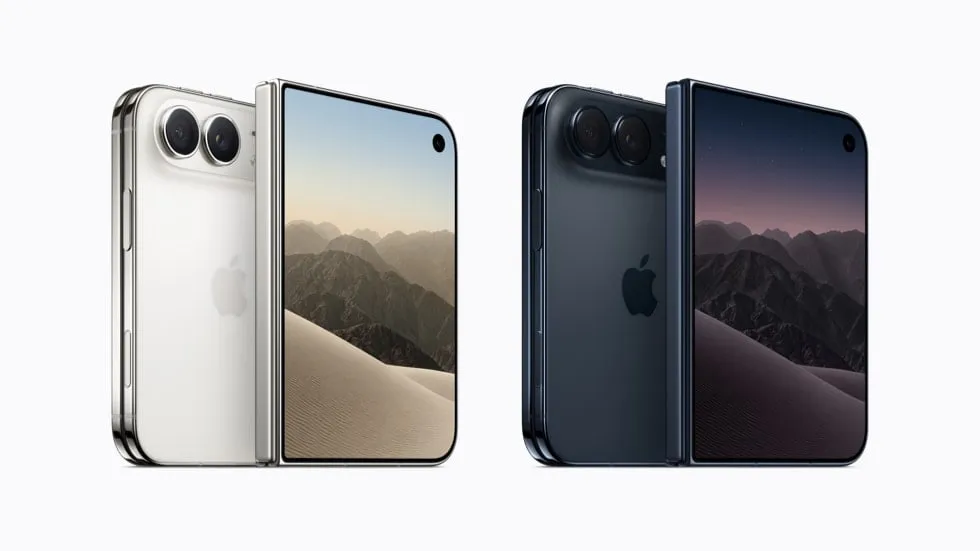
- Thin when open. Apple says it is the thinnest iPhone ever when unfolded, about 5 millimetres. Closed, it is roughly twice that, so it feels like a thick but small phone.
- The hinge. Apple says the hinge has more than 100 parts and supports the screen in the middle. Early hands-on reports say the crease is very hard to see.
- Software made for two screens. iOS can show two apps side by side on an iPhone for the first time. That sounds small, but it means you can keep a map open while texting, or check a document while on a call.
- Two batteries. Apple uses a dual-battery design, which it says gives all-day battery life.
A simple way to think about it
Most of us carry two screens already: a phone for everything quick, and a tablet or laptop for everything that needs space. A foldable tries to be both.
Think of a paper notebook versus a sticky note. A sticky note is perfect for quick things, a notebook for real work. iPhone Duo is a sticky note that opens into a notebook when you need it.
The question is whether people need that often enough to pay for it.
What could go wrong
- The price. $1,999 is about twice the price of a regular iPhone. A normal iPhone plus an iPad mini costs less.
- The weight. Reports put it at around 250 grams, noticeably heavier than most phones.
- Durability. Folding screens have improved a lot, but a hinge and a bending display will always have more ways to fail than a solid slab of glass. Real long-term durability will only be clear after people have used it for a year or two.
- Apps. Many apps will need updates to really use the bigger, almost square screen.
Why this matters more than the phone itself
When Apple joins a category, the whole category tends to grow. Developers update their apps, accessory makers design cases and stands, and competitors push harder. The Apple Watch did that for smartwatches, AirPods for wireless earbuds.
If iPhone Duo sells well, foldables could slowly stop being a niche for enthusiasts and become a normal choice, the way large phones went from “too big” to standard within a few years.
Would I buy one?
I have not held one yet, so this is a first impression, not a review. What I like is the patience. Instead of rushing to be first, Apple waited until the hard problems, the crease, the hinge and the software, could be solved properly. That is a very good lesson for any project: being first is less important than being right.
Whether I would buy one at this price is another question. For most people, I think the smart move is to wait one or two generations, let the price come down, and see how the hinge holds up. But for the first time, a folding phone feels less like an experiment and more like the future of the phone.