Rabbit R1: the cute orange box that wanted to replace your apps
· 3 min read
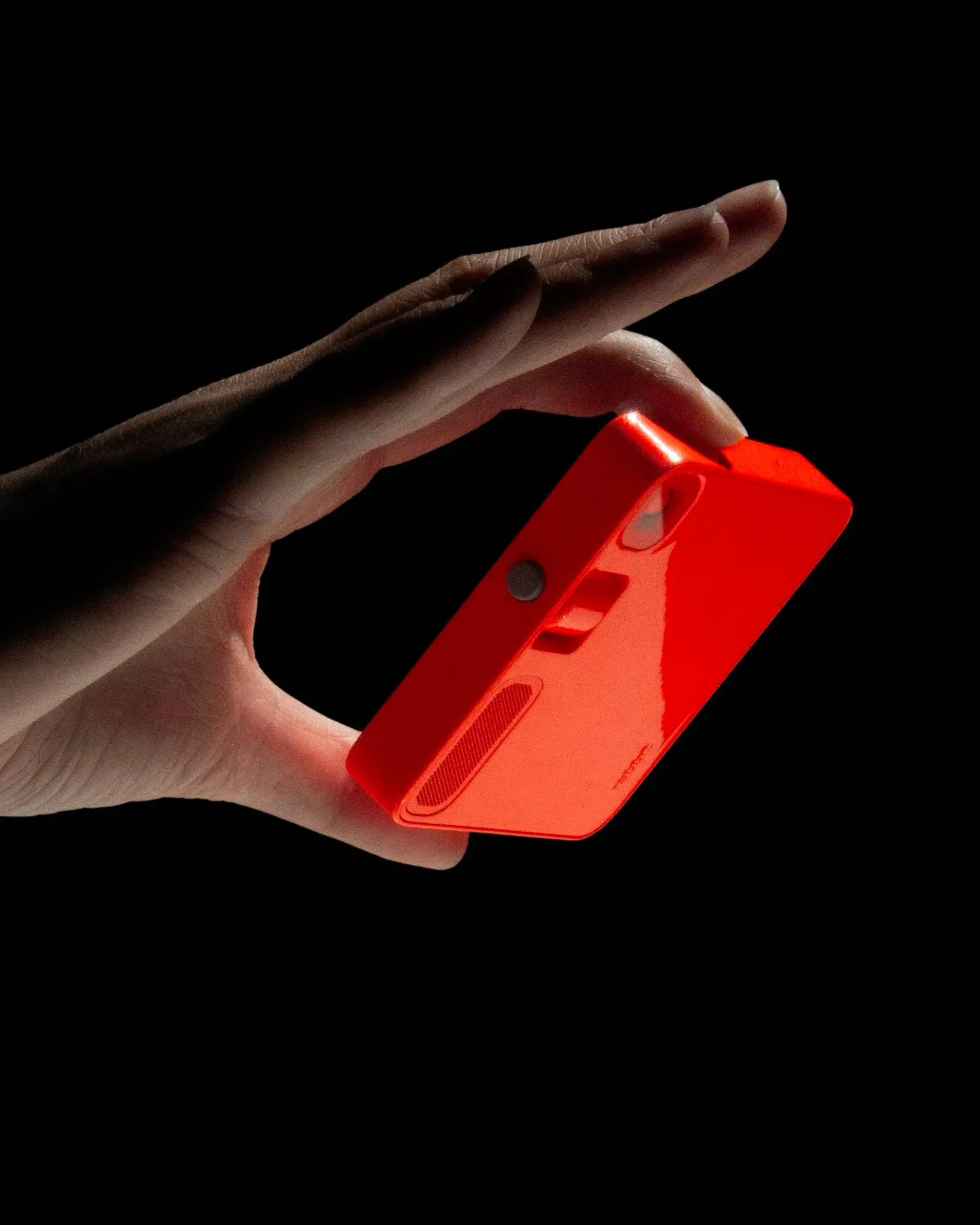
In January 2024, at the CES tech show in Las Vegas, a small start-up called Rabbit showed a bright orange square about half the size of a phone. It had a small screen, a scroll wheel, a single button and a camera that could rotate. It cost $199, with no subscription.
The first 10,000 units sold out within a day. Before it even shipped, Rabbit said it had passed 100,000 pre-orders. At the end of April the first buyers picked theirs up at a launch party in New York. A couple of weeks later, the mood has changed completely.
The promise
The idea behind the R1 was bold. Today, to order a taxi, you unlock your phone, find the app, type the address, choose the ride and pay. Rabbit said: just press the button and say “get me a car to the airport”. Its AI would open the right service and click through it for you.
Rabbit called this a Large Action Model. A normal chatbot answers questions with words. An action model is supposed to do things, by learning how people use apps and websites and then repeating those steps.
A good comparison is a personal assistant who knows all your passwords. You do not tell them which buttons to press. You tell them what you want, and they handle the rest.
Why people fell for it
Honestly, I understand the excitement.
- The design. It was made with Teenage Engineering, a Swedish design studio known for playful music gadgets. It looks like a toy from the future, not another black rectangle.
- The price. At $199 with no monthly fee, it felt like a fun experiment, not a big risk. Humane’s AI Pin, which arrived around the same time, costs $699 plus $24 a month.
- The timing. After a year of ChatGPT, people were ready to believe that AI could do more than chat.
- The story. “Apps are tired, let the AI handle it” is a message that is easy to love.
What happened in reality
The early reviews are harsh. The R1 can answer questions, describe what its camera sees and play music. But the headline promise, an AI that books and orders things for you, only works with a handful of services and is often slow or unreliable. Many reviewers found that doing the same task on their phone was faster.
Then people looked inside. Some found that the R1’s software looks a lot like an Android app, and managed to run it on an ordinary phone. Rabbit says its real work happens in the cloud. But for many buyers, the question became simple: why carry a second device that does less than the phone already in my pocket?
The bigger lesson
I think the R1 is a good example of a classic mistake: the story arrived before the product.
The phone is a very hard thing to compete with. It has a better screen, a better camera, a better battery and every app you already use. A new gadget needs one thing it does clearly better, not something it might do better one day after a software update.
Think of the first fitness trackers. They survived because they did one job, counting steps and sleep, that a phone in your pocket or on your desk could not do well. The R1 does not have that one job yet.
Why I am still glad it exists
I still like that Rabbit tried something different. Hardware is hard, and a small team made a device people genuinely wanted to hold. And the core idea, telling technology what you want instead of how to do it, is right. I am fairly sure our phones will do exactly that within a few years.
But probably not in a separate orange box. More likely as a feature inside the phone you already own. The R1 may end up remembered less as a product and more as a very public preview of where the big companies are heading next.
Sources
- Rabbit: rabbit r1 ↗rabbit.tech
- Engadget: Rabbit R1 starts shipping to the first batch of US buyers (April 2024) ↗engadget.com
- Wikipedia: Rabbit r1 ↗en.wikipedia.org